You connect your diagnostic tool and suddenly coding is blocked. No access, no changes, no control. That’s exactly where SFD vs SFD2 comes in.
If you work on newer Volkswagen Group vehicles or want to unlock features through OBD, you need to know SFD, SFD2, and the key differences between them. Without that, you’re not diagnosing — you’re guessing.
What is SFD?
SFD (Schutz Fahrzeug Diagnose) is a vehicle diagnostics security gateway introduced by Volkswagen Group around 2020. Its purpose is simple: block unauthorized access to critical vehicle functions.
It acts as a security layer between your tool and the car’s electronic modules.
How SFD works
When you connect to a supported vehicle:
- Coding, adaptations, and basic settings are locked by default
- You must authenticate with Volkswagen servers
- Access is granted temporarily after verification
You’ll see SFD across:
- Volkswagen
- Audi
- Škoda
- SEAT / CUPRA
Why SFD exists
Volkswagen introduced SFD to:
- Prevent unauthorized modifications
- Protect safety-critical systems
- Meet cybersecurity regulations
SFD doesn’t block you completely — it controls access.
With the right tool, you can still work normally.
Carista supports SFD unlock, so you can:
- Perform coding legally
- Access protected modules
- Customize vehicle features safely
For a deeper breakdown, see Carista’s SFD guide:
https://carista.com/blogs/news/sfd-unlock-vw-audi-seat-skoda-carista
What is SFD2?
SFD2 is the next step generation system —and it’s much stricter.
When comparing SFD2 vs SFD Volkswagen systems, SFD2 moves from simple protection to full control and monitoring.
SFD2 is a cloud-based, token-controlled system that restricts and tracks all diagnostic access in real time.
For more explanation, see Carista’s guide:
👉 https://carista.com/blogs/news/sfd2-unlock-explained
How SFD2 works
With SFD2:
- Authentication happens live via VW servers
- You need user-specific credentials and tokens
- Access is granted separately for each request
- Every action is logged and traceable
Key characteristics
- Strong encryption
- No offline unlocking
- Real-time validation
Which cars have SFD2?
You’ll typically encounter SFD2 in:
- 2024+ Volkswagen models
- Newer Audi vehicles
- Updated Škoda and SEAT models
- MQB Evo and MEB platform vehicles
SFD vs SFD2: key differences
If you want a clear answer to “difference between SFD and SFD2 Volkswagen”, it comes down to control, access, and enforcement

Bottom line
- SFD = controlled access
- SFD2 = fully restricted and monitored system
Why Volkswagen Introduced SFD2
The move from SFD to SFD2 is driven by regulation, security, and control.
1. Cybersecurity requirements
Modern vehicles are connected systems. Regulations like UNECE R155 require:
- Protection against unauthorized access
- Secure software environments
- Traceable diagnostic activity
2. Anti-tampering enforcement
SFD2 reduces:
- Illegal feature activation
- Mileage fraud
- Emissions manipulation
3. Protection of critical systems
Systems like:
- ADAS
- Brakes
- Powertrain
…must not be modified without verified authorization.
Impact on you: what changes in practice
If you run a workshop
- You need authorized tools or licensed platforms
- SFD2 unlock requires valid credentials
- Compliance becomes mandatory—not optional
If you work on your own car
- You won’t get access without authentication
- Many tools simply won’t work
- You can still code—but only through approved access
If you rely on diagnostic tools
With SFD2 vs SFD Volkswagen systems, tools must:
- Connect to VW backend systems
- Support token-based authentication
- Stay fully compliant
How Tools Handle SFD vs SFD2 (Incl. Carista)
SFD support
Modern tools including Carista already:
- Authenticate with VW servers
- Provide seamless SFD unlock
- Allow coding and adaptations
SFD2 support
SFD2 requires a different level of integration.
To support it, tools must:
- Use secure backend communication
- Implement official authentication channels
- Handle token-based permissions
Carista:
-
Fully supports SFD
-
Actively developing SFD2 support
- is an official and licensed VW group partner
This means you get:
- Legal access
- Simple user experience
- Compatibility with evolving VW systems
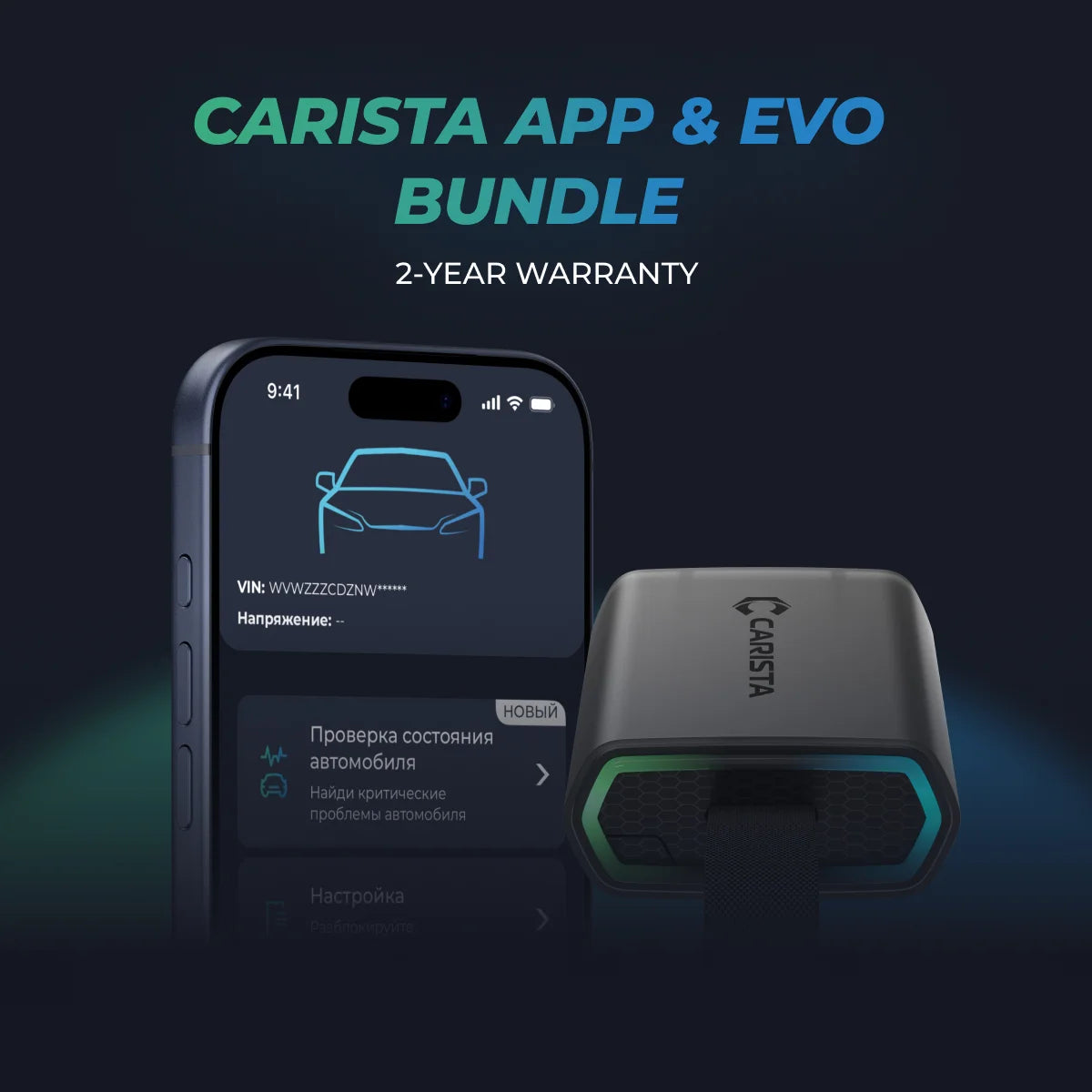
Unlock More with the Carista Bundle
$109.99
- EVO OBD2 Scanner & 12-month PRO access included
- Our best scanner yet
- Trusted by 3M+ Drivers Worldwide
- VW Group's Official Partner
- 200+ Hidden Features
- FREE Shipping & 2 Year Warranty
Everything you need in a single order.
Conclusion: SFD vs SFD2 in real use
The difference between SFD vs SFD2 is simple:
- SFD introduced restrictions
- SFD2 enforces them completely
For you, this means:
- No more unrestricted OBD coding
- Full reliance on secure authentication
If you want reliable access, you need a tool that evolves with these systems.
That’s exactly where solutions like Carista come in — giving you legal, secure, and user-friendly access, even as Volkswagen tightens control.

FAQ
What is SFD in Volkswagen vehicles?
SFD is a vehicle diagnostics security gateway that restricts access to coding and adaptations until you authenticate with VW servers.
What is SFD2 and how is it different from SFD?
SFD2 is a stricter system with cloud-based authentication, token-based access, and full logging, making it more secure and more restrictive than SFD.
Why did VW introduce SFD2?
To meet cybersecurity regulations, prevent tampering, and protect critical vehicle systems.
Can SFD2 be unlocked?
Yes — but only through authorized tools and proper authentication, not by bypassing the system.
Does SFD2 block coding and diagnostics?
It blocks unauthorized access but allows full functionality once authentication is completed.
What tools support SFD2?
Support is still evolving. Tools like Carista already support SFD and are actively developing full SFD2 unlock capability.
*Disclaimer: The information provided in this article is intended for educational and informational purposes only and should not be considered as professional advice. While we strive to provide accurate and up-to-date content regarding OBD2 tools, diagnostics, and related automotive issues, the specifics of each vehicle may vary.
*Always consult your vehicle’s manufacturer guidelines and consider seeking professional assistance when dealing with complex or critical diagnostic issues.