

Tire Pressure Monitoring Systems (TPMS) are essential components in modern vehicles, ensuring that your tires are properly inflated and alerting you when tire pressure falls below a safe level.
Over time, TPMS sensors can wear out or fail, requiring replacement. This article will guide you through everything you need to know about TPMS sensors, the cost of replacement, and how to change them yourself if you're up for the task.
How much does TPMS sensor replacement cost?
Professional TPMS sensor replacement costs about $70–$250 per sensor, including parts and labor. Doing it yourself, you mainly pay for the sensor, then register the new sensor ID so the car recognizes it.
- Sensor price
- OEM $50–$150; aftermarket $25–$75 each.
- Shop extras
- Labor $50–$100 per sensor; programming $100–$200 per car.
- Lifespan
- 5–10 years or about 100,000 miles. The battery isn't replaceable.
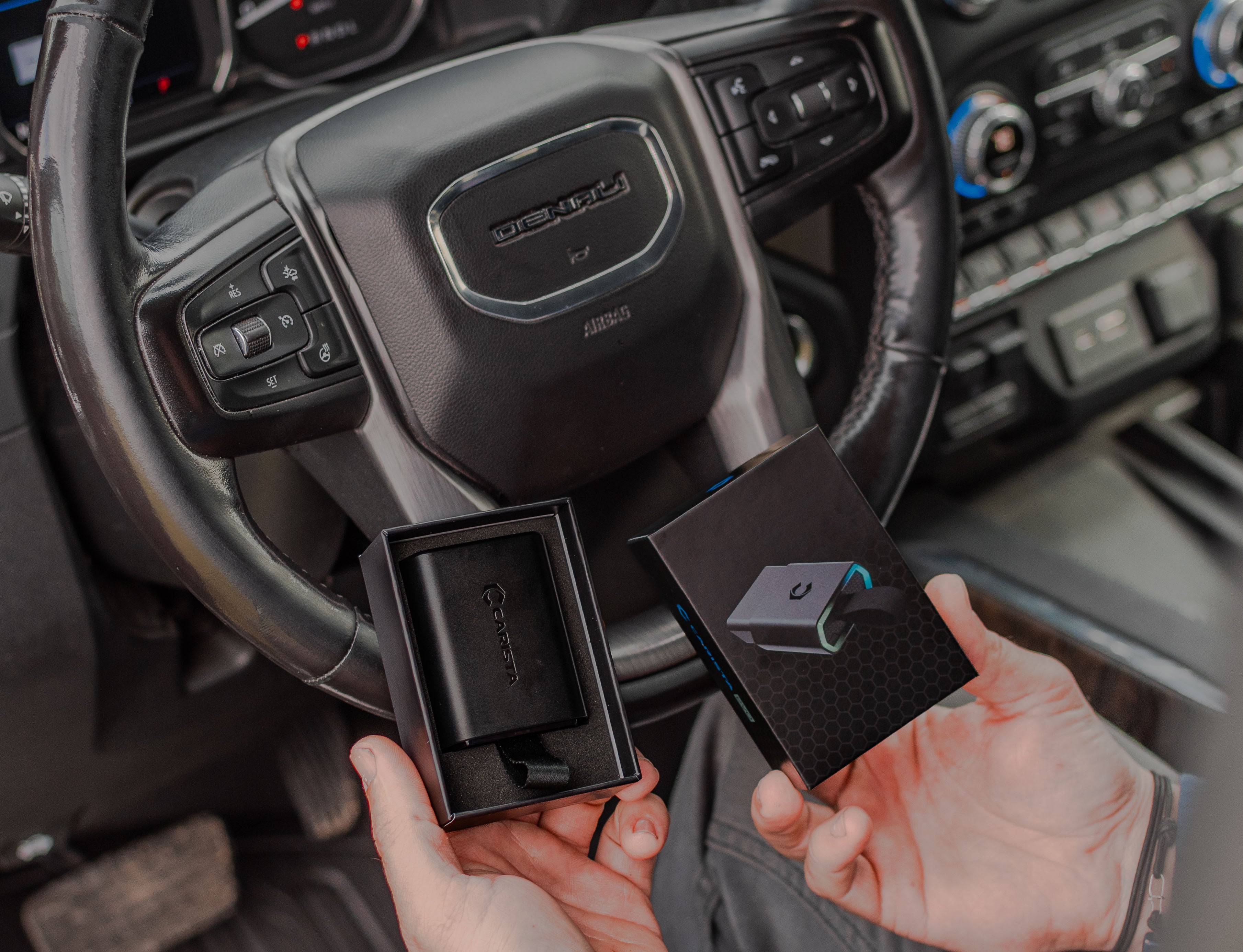
Skip the programming fee: on supported vehicles, the Carista OBD2 scanner registers new TPMS sensor IDs from your phone.
What is a TPMS Sensor?
A TPMS sensor is a small electronic device located inside your tire, usually mounted on the valve stem. Its primary function is to monitor the air pressure inside the tire and transmit this data to the vehicle's onboard computer. If the pressure drops below a certain threshold, the system triggers a warning light on the dashboard, alerting you to check your tires.
When Do TPMS Sensors Need Replacement?
TPMS sensors typically last between 5 to 10 years or approximately 100,000 miles. They may need replacement for several reasons:
- Battery Failure: TPMS sensors have built-in batteries that are not replaceable. Once the battery dies, the entire sensor must be replaced.
- Physical Damage: Impact from potholes, road debris, or tire changes can damage the sensor.
- Corrosion: Over time, exposure to the elements can cause corrosion, especially in climates with harsh winters.
- Sensor Malfunction: Like any electronic component, TPMS sensors can malfunction due to internal defects.
Cost of Replacing TPMS Sensors
The cost of replacing a TPMS sensor can vary based on several factors, including the type of vehicle, the brand of the sensor, and whether you choose to do it yourself or have it done professionally.
1. Sensor Cost:
-
OEM Sensors: Original Equipment Manufacturer (OEM) sensors are made by the vehicle manufacturer and are generally more expensive, ranging from $50 to $150 per sensor.
-
Aftermarket Sensors: Aftermarket sensors are made by third-party companies and can be a more affordable option, usually costing between $25 and $75 per sensor.
2. Labor Cost:
If you opt to have a professional replace the sensors, labor costs will be added. These costs vary based on location and the shop’s rates but typically range from $50 to $100 per sensor.
3. Programming Cost:
After installation, TPMS sensors need to be programmed to communicate with your vehicle. Some shops may charge an additional fee for this service, typically between $100 and $200 per vehicle. Little did you know that with the Carista OBD reader and diagnostic app you can register your new IDs quicker and easier. Scroll to learn more.
Related: What is TPMS Registration?

Total Cost:
-
Professional Replacement: Expect to pay between $70 and $250 per sensor, including parts and labor.
-
DIY Replacement: If you choose to replace the sensors yourself, the cost will be significantly lower, primarily just the cost of the sensors themselves.
How to Replace TPMS Sensors: A DIY Guide
If you’re comfortable working on your vehicle, you can replace TPMS sensors yourself. Here’s a step-by-step guide to help you through the process:
Tools and Materials Needed:
-
New TPMS sensors
-
Valve core removal tool
-
Tire removal tools (jack, lug wrench, tire iron)
-
Torque wrench
-
Air compressor or access to a tire inflation service
Step-by-Step Procedure:
1. Safety First:
-
Park your vehicle on a flat surface and engage the parking brake.
-
Wear safety gloves and eye protection.
2. Remove the Tire:
-
Use a lug wrench to loosen the lug nuts on the wheel you’ll be working on.
-
Lift the vehicle using a jack and remove the tire.
3. Remove the Old TPMS Sensor:
-
Deflate the tire by removing the valve core using a valve core removal tool.
-
Break the bead of the tire (this can be done using a tire machine or manually).
-
Carefully push the tire away from the wheel’s rim to access the TPMS sensor.
-
Unscrew the sensor from the valve stem and remove it.
4. Install the New TPMS Sensor:
-
Install the new sensor onto the valve stem and secure it with the provided nut, typically torqued to about 4-7 Nm (check the sensor’s instructions for specifics).
-
Ensure the sensor is correctly positioned and not obstructing the tire.
5. Reinstall the Tire:
-
Re-seat the tire bead on the rim and inflate the tire to the manufacturer’s recommended pressure.
-
Reinstall the tire onto the vehicle and tighten the lug nuts in a star pattern to ensure even tightening.
6. Program the New TPMS Sensor:
-
If required, use a TPMS programming tool to sync the new sensor with your vehicle’s onboard computer. Follow the tool’s instructions or refer to your vehicle’s manual for specific programming procedures:
7. Test the System:
-
Drive the vehicle for a short distance to ensure the new sensors are working properly and that the warning light on the dashboard is off.
Frequently Asked Questions About TPMS Sensor Replacement
How do I know if a TPMS sensor needs replacing?
Check the tire pressures with a gauge first. If the warning persists at the recommended pressures, have the system checked for a depleted sensor battery, physical damage or a sensor the vehicle no longer recognises.
Can I replace just one TPMS sensor?
Yes. If testing confirms that only one sensor has failed, you can replace it individually. If the other sensors are the same age, ask the tire shop to check them while the wheels are being serviced.
How much does TPMS sensor replacement cost?
The total depends on the sensor, tire service labour and any programming or relearn required. Ask for an itemised quote so you can compare the full installed cost.
What’s the difference between TPMS programming and relearning?
Programming configures a compatible replacement sensor for the vehicle. Registration or relearning tells the vehicle which sensor IDs to recognise. The steps you need depend on the sensor and vehicle.
Can I register a replacement TPMS sensor with Carista?
Yes, on supported vehicles. Check whether Carista lists TPMS ID Registration for your exact model and generation, then follow the app’s prompts after the sensor is installed.
Why is the TPMS light still on after replacing a sensor?
Check the tire pressures and confirm that the replacement sensor is compatible. The vehicle may still need to register its ID or complete a relearn. If the light stays on after the specified procedure, have the system diagnosed.
Final Thoughts
Replacing TPMS sensors is an important maintenance task that ensures your vehicle remains safe and efficient on the road. While professional replacement is always an option, doing it yourself can save you money and give you a sense of accomplishment. By following the steps outlined in this guide, you’ll be able to replace TPMS sensors with confidence and ensure that your vehicle’s tire pressure monitoring system is functioning correctly.
Disclaimer: The information provided in this article is intended for educational and informational purposes only and should not be considered as professional advice. While we strive to provide accurate and up-to-date content regarding OBD2 tools, diagnostics, and related automotive issues, the specifics of each vehicle may vary.
**Always consult your vehicle’s manufacturer guidelines and consider seeking professional assistance when dealing with complex or critical diagnostic issues.