Una prueba de diagnóstico del automóvil suele costar 50 a 180 dólares en un mecánico independiente, y 100 a 400 dólares o más en un concesionario. El punto exacto dentro de ese rango depende de tu ubicación, tu vehículo y la complejidad que termine teniendo el problema. Una lectura rápida de códigos con la luz de avería del motor fija se sitúa en el extremo inferior. Una falla eléctrica intermitente y difícil que consume horas del tiempo del técnico se sitúa en el extremo superior.
Esa es la respuesta breve. El costo de un diagnóstico del automóvil cubre mucho más que un pitido y un código: es el servicio de diagnóstico que ayuda al técnico a identificar las fallas y localizar el problema antes de comenzar cualquier reparación.
Esto es lo que realmente estás pagando, por qué la cifra de la factura no siempre cuenta toda la historia y cómo evitar reparaciones costosas (y pagar de nuevo por diagnósticos) más adelante.
¿Cuánto cuesta un diagnóstico del automóvil?
La mayoría de los talleres independientes de reparación de automóviles cobran entre 50 y 180 dólares por una visita de diagnóstico estándar. Los datos nacionales respaldan esta cifra. RepairPal estima que el diagnóstico y las pruebas de la luz de avería del motor cuestan entre 122 y 233 dólares.
Indica un trabajo de diagnóstico general de entre 122 y 179 dólares. En el extremo inferior, una lectura sencilla de códigos OBD II puede costar tan solo entre 20 y 50 dólares, mientras que un diagnóstico completo de varios sistemas en un vehículo europeo o híbrido puede acercarse a los 300 o 400 dólares.
Los concesionarios suelen cobrar más que los talleres independientes. Pagas por herramientas de la marca, técnicos capacitados por el fabricante y datos de servicio del fabricante.
Al concesionario le cuesta más mantener estos recursos, por lo que el costo adicional se te repercute a ti. AAA señala que las tarifas de mano de obra en su red de talleres aprobados oscilan entre 47 y 215 dólares por hora, y que el costo de diagnóstico normalmente se calcula como una a una hora y media de esa tarifa.
Esta es la parte que suele sorprender a la gente: el costo de diagnóstico anunciado rara vez es la factura final. Ese costo cubre el escaneo inicial y una primera interpretación de los códigos. Si el técnico necesita realizar pruebas adicionales —comprobar los datos de los sensores en tiempo real, hacer una prueba de presión del sistema de combustible o inspeccionar físicamente el cableado—, esas horas se cobran aparte.
Muchos talleres descuentan el costo del diagnóstico de la reparación si autorizas el trabajo.

¿Qué incluye realmente un diagnóstico del automóvil?
Un diagnóstico adecuado no consiste solo en conectar un escáner. Es un proceso de tres pasos:
- Escaneo OBD II: el técnico conecta una herramienta de escaneo como el escáner Carista EVO al ordenador de a bordo de tu coche para recuperar los códigos de error y cualquier otro código de avería almacenado.
- Interpretación del técnico: los códigos señalan un sistema, no siempre una pieza concreta. Un técnico capacitado interpreta el código junto con los datos en tiempo real, la información del registro de eventos y los síntomas de tu coche para determinar la causa real.
- Pruebas adicionales: dependiendo del código, puede ser una prueba de humo para detectar una fuga de vacío, una comprobación del voltaje de un sensor o una inspección física bajo el capó.
Esta es la distinción clave que debes recordar: leer un código de avería no es lo mismo que diagnosticar el problema. Un código como P0420 indica que el sistema del catalizador está funcionando por debajo de lo esperado, pero no te dice si el problema real está en el propio catalizador, en un sensor de oxígeno defectuoso o en una fuga de escape situada antes del catalizador.
Reemplazar piezas basándose únicamente en el código, sin confirmar la causa raíz, es uno de los errores más comunes (y costosos) que cometen los conductores.
Leer más: https://carista.com/blogs/news/obd2-live-data-and-freeze-frame-data-explained
¿Por qué cobran los mecánicos tarifas de diagnóstico?
En esa tarifa intervienen tres cosas:
- Tiempo del técnico. Interpretar los códigos y realizar pruebas adicionales requiere horas reales facturables; no es una tarea de cinco minutos una vez superado el escaneo superficial.
- Equipos de diagnóstico. Leer con precisión el estado de tu vehículo requiere herramientas especializadas: los equipos de escaneo profesionales y el software de nivel de concesionario pueden costarle a un taller desde unos cientos hasta varios miles de dólares por marca de vehículo, y esa inversión se refleja en las tarifas de mano de obra.
- Pruebas más allá del escaneo. Confirmar la causa raíz suele requerir multímetros, máquinas de humo, manómetros u osciloscopios: herramientas y conocimientos que un lector de códigos básico no puede sustituir.
En resumen: no estás pagando por el pitido de un escáner. Estás pagando por la experiencia que convierte un código de cinco caracteres en un plan de reparación preciso.
¿Puedes diagnosticar tu coche tú mismo?
Sí, en una parte importante de los problemas que llevan a la gente al taller. Con la herramienta de diagnóstico adecuada, puedes hacerte una idea mucho más clara de lo que ocurre antes de pedir cita.
Por ejemplo, Carista convierte tu teléfono y un lector OBD2 compatible en una herramienta de diagnóstico avanzada que, según tu vehículo, puede:
- Lee y elimina códigos de avería del motor, la transmisión, el ABS, los airbags, el climatizador y otros sistemas electrónicos
- Ayuda a identificar qué hay detrás de una luz de advertencia antes de decidir si es necesaria una visita al taller
- Muestra datos en tiempo real, como las RPM del motor, la temperatura del refrigerante, las lecturas de los sensores y los valores relacionados con el combustible
- Comprueba el estado de preparación de emisiones antes de una inspección
Descubre cómo superar fácilmente la prueba de emisiones: https://carista.com/blogs/news/emissions-test-how-to-pass-it
Eso puede bastar para identificar algo sencillo, como un tapón del depósito de combustible suelto, investigar una luz de advertencia o comprobar si una avería vuelve a aparecer después de borrarla. Y como Carista puede acceder a sistemas específicos del fabricante en los vehículos compatibles, puede ofrecer más información que muchos lectores OBD2 genéricos básicos.
Aun así, no sustituye a un mecánico. Los problemas eléctricos intermitentes, las averías recurrentes y cualquier problema relacionado con sistemas de seguridad críticos pueden requerir un diagnóstico profesional.
La ventaja de tener Carista es que puedes escanear el coche tú mismo primero, entender lo que indica y tomar una decisión más informada sobre qué hacer a continuación.

Cómo evitar pagar repetidamente tarifas de diagnóstico
Si la luz de comprobación del motor se ha encendido más de una vez este año, las cuentas empiezan a favorecer tener tu propio lector en lugar de pagar entre 50 y 150 dólares cada vez. Aquí es exactamente donde una herramienta como la App Carista emparejada con el Lector Carista EVO demuestra su utilidad en la guantera.
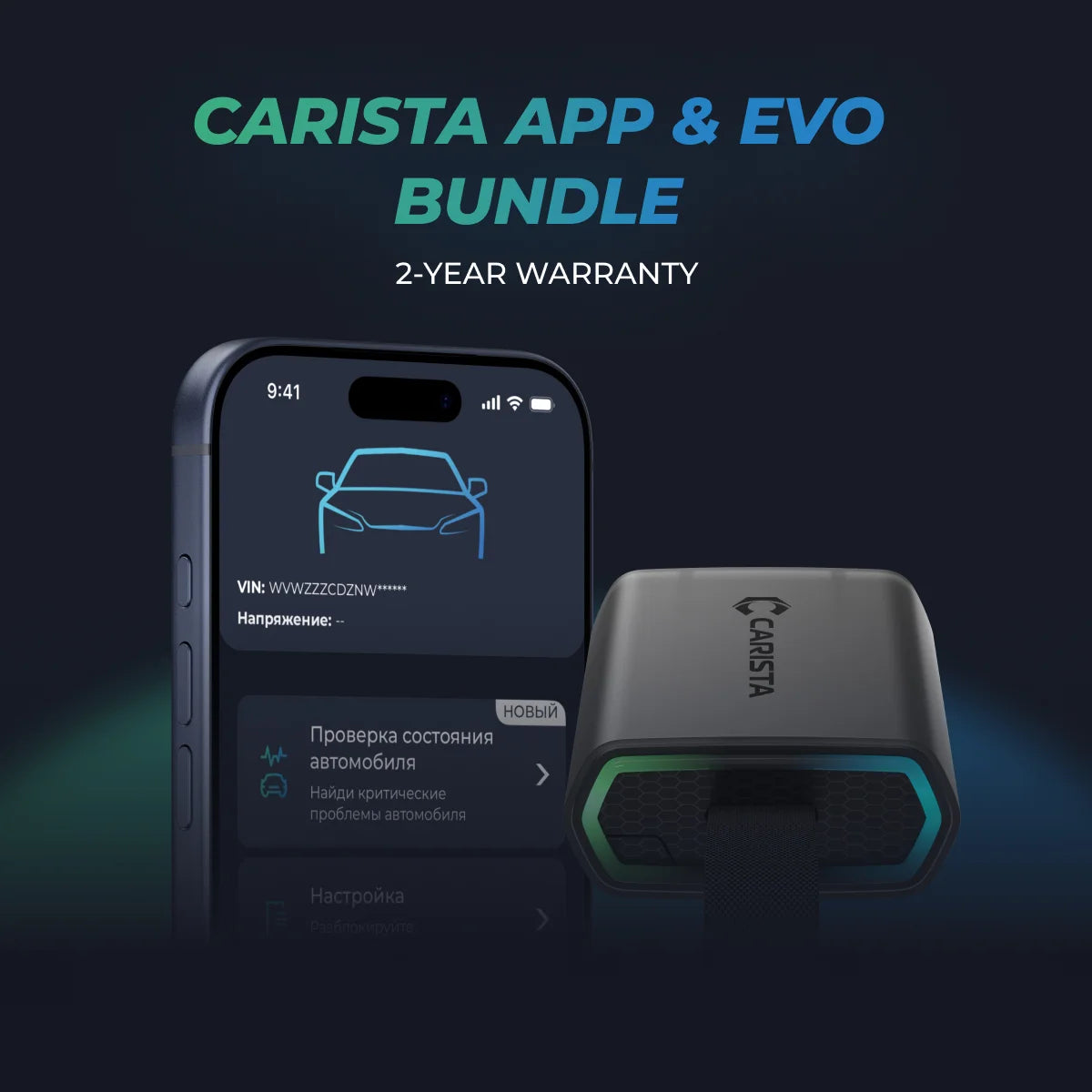
Conecta el Carista EVO al puerto OBD II de tu coche, conéctalo a la App Carista por Bluetooth y, dado que utilizas específicamente el Lector Carista EVO, obtienes acceso gratuito a la lectura y eliminación de códigos de avería estándar, a los datos OBD II en tiempo real, al estado de preparación de emisiones y a información detallada de la ECU, sin necesidad de suscripción.
Un escáner OBD2 genérico de terceros normalmente requiere una suscripción Pro o una compra única de diagnóstico para desbloquear ese mismo nivel de profundidad. Si tu vehículo pertenece a una de las muchas marcas compatibles, pasar a Pro —o pagar una sola vez en lugar de suscribirte— desbloquea diagnósticos específicos del fabricante, AI Insights, que explica los códigos de fallo en un lenguaje sencillo, y herramientas de servicio para hacerlo tú mismo, como el reinicio del aceite y el registro de la batería.
Desbloquea más con el paquete Carista
$76.99
- Lector OBD2 EVO y acceso PRO de 12 meses incluidos
- Nuestro mejor lector hasta ahora
- La confianza de más de 3 millones de conductores en todo el mundo
- Socio oficial del Grupo VW
- Más de 200 funciones ocultas
- Envío GRATIS y 2 años de garantía
Todo lo que necesitas en un solo pedido.
El valor real no consiste en reemplazar a tu mecánico. Consiste en saber qué está indicando tu automóvil antes de decidir si realmente es necesario acudir a un taller. A veces, el código señala algo que puedes borrar y supervisar de forma segura; otras veces, confirma que necesitas ayuda profesional. En cualquier caso, llegas al taller con información previa y, a lo largo de la vida útil de un automóvil, eso se traduce en un ahorro real frente al costo total de mantenerlo.
Preguntas frecuentes
¿Cuánto suele costar una prueba de diagnóstico del automóvil?
Calcula entre 50 y 150 dólares en un taller independiente y entre 100 y más de 400 dólares en un concesionario, según tu ubicación, el vehículo y la cantidad de pruebas que requiera el problema más allá del escaneo inicial.
¿Por qué los mecánicos cobran una tarifa de diagnóstico?
La tarifa cubre el tiempo del técnico, el equipo y el software de diagnóstico en los que invierte el taller, así como las pruebas necesarias más allá de una lectura básica de códigos para confirmar la causa real.
¿Una prueba de diagnóstico indica exactamente qué le pasa al automóvil?
No siempre. Un código apunta a un sistema o a una causa probable, pero no confirma que una pieza específica esté averiada. Confirmar la causa exacta suele requerir pruebas adicionales y la interpretación de un técnico.
¿Puedo diagnosticar mi automóvil por mi cuenta con un escáner OBD2?
Sí, para una amplia variedad de problemas comunes: leer y borrar códigos, entender las luces de advertencia y supervisar los datos en tiempo real. Los problemas más complejos o relacionados con la seguridad aún requieren un diagnóstico profesional.
Aviso legal: La información proporcionada en este artículo tiene únicamente fines educativos e informativos y no debe considerarse asesoramiento profesional. Nos esforzamos por ofrecer información precisa y actualizada sobre herramientas OBD2, diagnósticos y problemas del automóvil.