You're cruising down the highway when suddenly your dashboard lights up with a message: "Engine Power Reduced." Your car slows down, acceleration lags, and you’re left wondering what's wrong. This warning can be alarming, but understanding what it means and how to address it can save you stress and costly repairs.
In this article, we will look at what the "engine power reduced" message means. We will discuss common causes and how to fix it. We will use tools like the Carista OBD2 scanner. Finally, we will talk about how to prevent it from happening again.
What Does "Engine Power Reduced" Mean?
The "engine power reduced" warning indicates that your vehicle's Engine Control Unit (ECU) has detected a fault and has limited the engine's power to prevent further damage. This condition, often referred to as "limp mode," is a protective measure designed to allow you to reach a repair shop safely.
When this message appears, your car may exhibit:
-
Decreased acceleration
-
Sluggish performance
-
Limited RPM
-
Warning lights on the dashboard
Common Symptoms of Reduced Engine Power
When the "Engine Power Reduced" light comes on, you may experience a few telltale signs of engine trouble:
-
Warning Light on Dashboard: The most obvious symptom is the illuminated "Check Engine" light, often accompanied by the "Reduced Power" message on the dashboard.
-
Poor Acceleration and Slow Speed: One of the first things you’ll notice is the loss of power when you try to accelerate. Your car might struggle to pick up speed or take longer to accelerate.
-
Increased Fuel Consumption: With reduced engine power, your car may consume more fuel than usual, as the engine operates inefficiently.

Common Causes of "Engine Power Reduced"
Throttle Body Issues
The throttle body controls the amount of air entering the engine. Dirt buildup, wear, or malfunctioning sensors can cause it to operate incorrectly, triggering reduced power mode.
Faulty Accelerator Pedal Position Sensor
This sensor communicates how much you’re pressing the gas pedal. If it fails or gives erratic readings, the ECU might reduce power as a safety precaution.
Mass Air Flow (MAF) Sensor Problems
A faulty or dirty MAF sensor sends incorrect data to the ECU about incoming air, leading to fuel mixture issues and reduced engine power.
Transmission Problems
Slipping gears or other transmission issues can prompt the ECU to limit engine power to prevent further drivetrain damage.
Battery or Alternator Issues
Low voltage from a weak battery or failing alternator can disrupt sensor signals and trigger limp mode.
Other Possible Causes
-
Clogged catalytic converter
-
Failing ignition coils or spark plugs
-
ECU or wiring malfunctions
How to Troubleshoot "Engine Power Reduced" Warning
-
Pull over safely. If you’re on the road, find a safe place to stop.
-
Restart your car. Sometimes the warning clears temporarily.
-
Check for visible issues. Look for disconnected wires, corrosion, or loose components.
-
Scan for error codes using an OBD2 diagnostic tool like Carista.
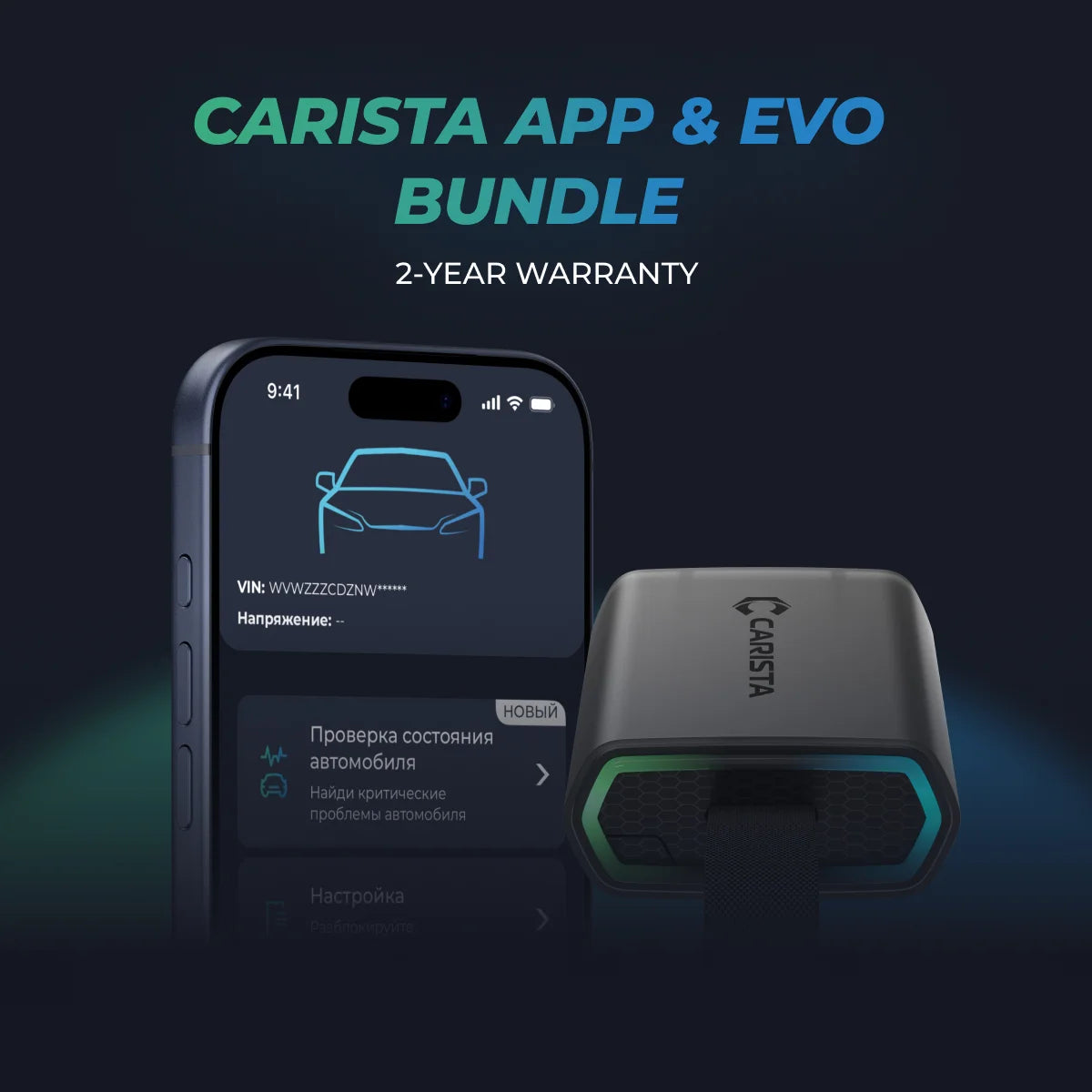
Unlock More with the Carista Bundle
£74.99
- EVO OBD2 Scanner & 12-month PRO access included
- Our best scanner yet
- Trusted by 3M+ Drivers Worldwide
- VW Group's Official Partner
- 200+ Hidden Features
- FREE Shipping & 2 Year Warranty
Everything you need in a single order.
How to Troubleshoot "Engine Power Reduced" Using a Carista OBD2 Scanner
Troubleshooting the "Engine Power Reduced" warning can be made much easier with the right diagnostic tools. The Carista OBD2 scanner is a powerful device that can help you identify the exact cause of the issue.
What Is an OBD2 Scanner?
An OBD2 (On-Board Diagnostics) scanner is a tool that plugs into your vehicle’s OBD2 port to retrieve diagnostic trouble codes (DTCs) from the car’s computer system. These codes can pinpoint exactly what’s causing the issue and help you take the necessary steps to fix it.
Why Choose the Carista OBD2 Scanner?
The Carista OBD2 scanner offers an easy-to-use interface and connects seamlessly with your smartphone via an app. It’s designed to work with a wide range of vehicles and provides clear and detailed diagnostic information. Whether you're a beginner or an experienced DIYer, Carista’s simple setup and real-time data make troubleshooting hassle-free.
Step-by-Step Guide to Troubleshoot with Carista
-
Plug in the Carista OBD2 Scanner: Find your car’s OBD2 port (usually located near the driver’s seat, under the dashboard) and plug in the Carista scanner.
-
Pair with the Carista App: Download the Carista app on your smartphone and pair it with the OBD2 scanner using Bluetooth.
-
Run a Diagnostic Scan: Open the app and run a diagnostic scan to check for any trouble codes related to the "Engine Power Reduced" warning.
-
Interpret the Error Codes: The Carista app will display the error codes. Codes like P2135 (Throttle Position Sensor) or P0101 (Mass Air Flow Sensor) may appear. Understanding these codes will help you identify the issue.
-
Resolve the Problem: Based on the diagnostic results, take appropriate action. For example, cleaning or replacing the faulty sensor, checking fuel pressure, or resetting the ECU might solve the issue.
How to Fix Engine Power Reduced
Once you’ve diagnosed the problem using the Carista OBD2 scanner, here are a few steps you can take to address common issues:
Quick Fixes You Can Do Yourself
-
Reset the ECU: Disconnecting the car’s battery for a few minutes can reset the ECU and clear minor glitches.
-
Clean or Replace the Throttle Position Sensor: If the throttle sensor is dirty or faulty, cleaning it may solve the issue. If that doesn’t work, replacing the sensor might be necessary.
-
Check and Replace the Air Filter: A dirty air filter can affect airflow, leading to engine power loss. Replace the air filter if necessary.
When to Seek Professional Help
If the issue persists despite your efforts, or if the problem involves complex components like the engine control unit (ECU), transmission, or electrical system, it's time to seek professional help. A certified mechanic can perform a more thorough inspection and repair.
FAQs: Engine Power Reduced and Troubleshooting
Q1: Can I still drive my car if the "Engine Power Reduced" light is on?
A1: While your car will still run, it will experience reduced power, which can lead to poor acceleration and limited speed. It’s safe for short trips, but it’s essential to get the issue fixed soon to avoid further damage and ensure your vehicle operates efficiently.
Q2: What are common OBD2 codes related to "Engine Power Reduced"?
A2: Common OBD2 codes associated with engine power reduction include:
-
P2135: Throttle/Pedal Position Sensor/Switch "A"/"B" Voltage Correlation
-
P0101: Mass Air Flow (MAF) Sensor Circuit Range/Performance Problem
-
P0128: Coolant Thermostat Temperature Below Regulating Temperature
These codes can help you pinpoint which component is causing the issue.
Q3: How do I fix a throttle position sensor issue that causes reduced engine power?
A3: If the throttle position sensor is causing the issue, try cleaning it first. If cleaning doesn’t resolve the problem, replacing the sensor may be necessary. Ensure that you’re using a compatible sensor for your vehicle to restore proper engine performance.
Q4: Is it safe to reset the engine control unit (ECU) when experiencing "Engine Power Reduced"?
A4: Yes, resetting the ECU can help clear minor glitches. Disconnecting the vehicle's battery for about 10 minutes and reconnecting it can reset the ECU. However, this may only work for temporary issues. If the problem persists, further diagnostics and repairs will be required.
The "Engine Power Reduced" warning can be concerning, but with the right knowledge and tools, you can troubleshoot the issue and take the necessary steps to resolve it. Using a Carista OBD2 scanner makes the diagnostic process faster and easier, helping you pinpoint the problem quickly.
Whether you choose to tackle the repair yourself or seek professional help, addressing the issue promptly will prevent further damage and restore your vehicle’s performance.
Disclaimer: The information provided in this article is intended for educational and informational purposes only and should not be considered as professional advice. We work hard to give you accurate and current information about OBD2 tools, diagnostics, and car issues.
However, details can differ for each vehicle.
**Always consult your vehicle’s manufacturer guidelines and consider seeking professional assistance when dealing with complex or critical diagnostic issues.