You don't always need a TPMS tool. Some cars reset or calibrate TPMS through the dashboard or automatically after driving. A TPMS tool becomes necessary when the vehicle requires sensor activation, sensor-ID relearning, OBD registration, or programming of compatible replacement sensors.
This distinction matters because your car uses one of two systems to monitor tire pressure. A direct TPMS system uses physical pressure sensors inside each wheel. An indirect TPMS system uses wheel-speed data from the ABS module to estimate pressure changes, with no physical sensors at all. Only direct systems can require a TPMS tool — indirect systems just need a dashboard reset.
If you're shopping for a tire pressure sensor tool, the first question isn't which brand to buy — it's which of five specific actions your car needs. Below is a practical framework for that, plus where drivers commonly waste money on hardware they didn't need.
Direct vs. indirect TPMS: why this determines everything
A direct TPMS system places a battery-powered pressure sensor inside each tire, usually on the valve stem. Each sensor has a unique ID the vehicle's TPMS module reads over radio frequency. Rotating tires, replacing a wheel, or installing a new sensor may require the vehicle to relearn which sensor ID belongs to which wheel position.
An indirect TPMS system has no sensors in the tires. Instead, it compares wheel rotation speeds — a tire losing pressure spins slightly faster because its diameter shrinks. Indirect systems only need a calibration reset after you check or adjust tire pressure; there's no sensor ID to learn because there's no sensor.
If your dashboard TPMS light won't turn off, checking which system your car uses is the first step — not buying a TPMS scanner.
TPMS terminology: reset, calibration, activation, relearn, programming
These five terms get used interchangeably online, which is why so many drivers buy a TPMS reset tool when they needed a programming tool, or the reverse.

A TPMS programming tool writes data to a compatible replacement sensor; a TPMS relearn tool teaches the vehicle to recognize that ID. Wondering what's the difference between TPMS reset and relearn, or the broader TPMS reset vs relearn vs programming split?
Reset (often just a TPMS reset scanner or dashboard button) clears a warning, relearn maps a known sensor to a wheel position, and programming writes brand-new identity data onto a sensor that doesn't have it yet. A new sensor often needs both — programming first, relearning second.
Do you need a TPMS tool: A practical decision tree
Short answer: probably not, unless your situation matches one of the last three items below.
- Does your car have a direct or indirect TPMS? If indirect, you don't need a TPMS tool — reset it through the dashboard menu or drive at 20+ mph for about 10 minutes to recalibrate.
- Did you only rotate tires without replacing sensors? Many vehicles (most Toyota, Honda, and Nissan models) relearn sensor positions automatically after a short drive, or through a dashboard button sequence. No tool needed.
- Did you install brand-new, unprogrammed replacement sensors? You need a TPMS programming tool to write the correct sensor ID and protocol before the vehicle can recognize them.
- Does your vehicle need to be told which sensor ID goes where, and it isn't automatic? You need a TPMS relearn tool, or a scan tool with vehicle-specific relearn support.
- Is the TPMS light on despite correct pressure in every tire, including the spare? A sensor is likely failing. You need a diagnostic tool that can read individual sensor IDs and pressures, not just clear the light.
If you land on step 1 or 2, save your money — the best TPMS tool for your situation is no tool at all. If you land on 3–5 and you're still asking "what TPMS tool do I need?" or "what tool do I need for TPMS sensors?" — the answer depends on the action, not the brand.
Can an OBD2 scanner reset TPMS?
Yes, some OBD2 scanners can reset or relearn TPMS on supported vehicles, but a basic generic OBD2 code reader usually cannot. TPMS service functions are generally manufacturer-specific and require software that explicitly supports the vehicle and procedure.
An OBD2 scanner with TPMS can be particularly useful when the vehicle requires sensor IDs to be written into the TPMS control module.
Read more: Flashing Tire Pressure Light? What It Means & How to Fix
A Carista TPMS compatibility example
Carista is a good example of why vehicle-specific compatibility matters more than the generic label “OBD2 scanner.”
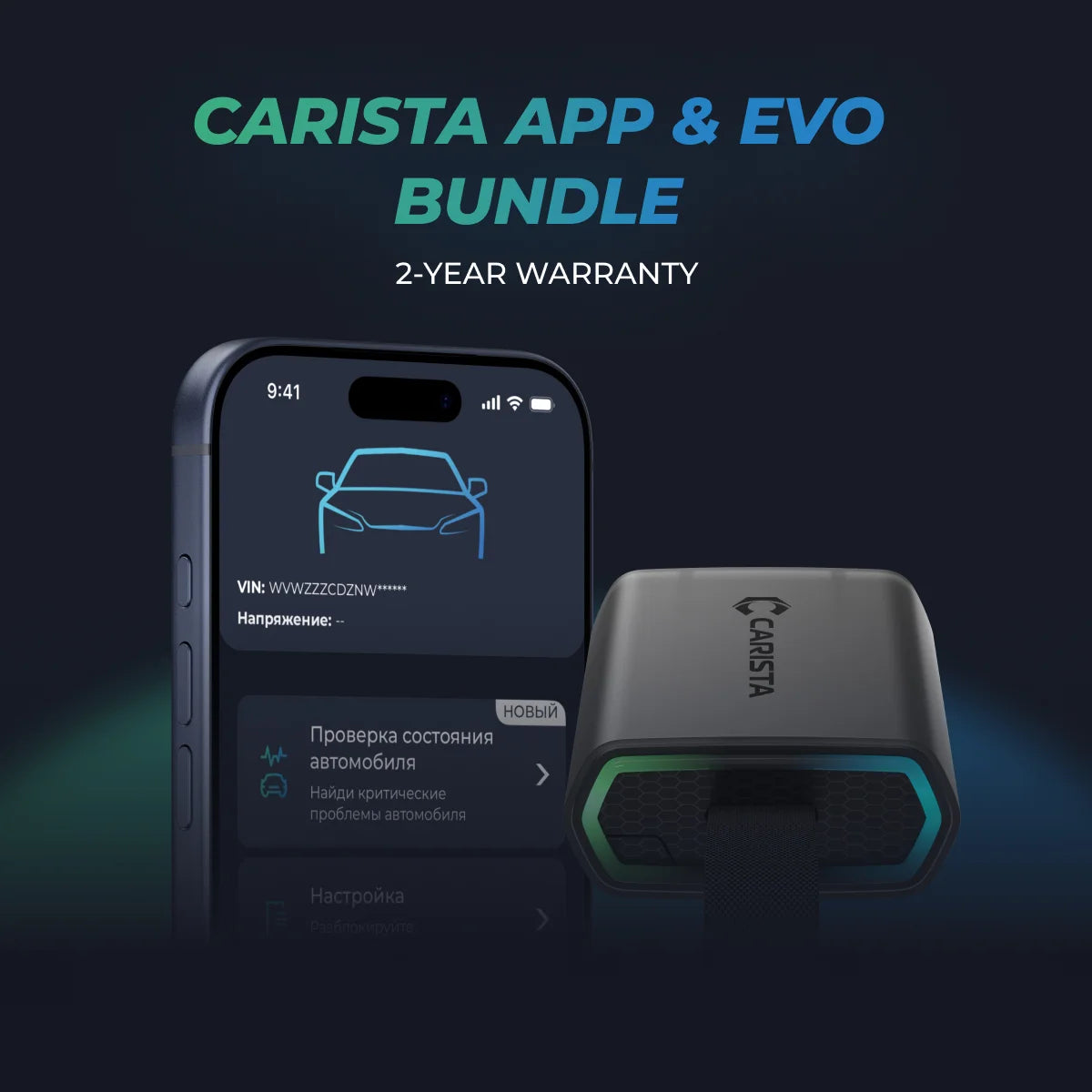
Carista supports TPMS reset and TPMS registration on supported vehicles. TPMS sensor registration is available on most supported Toyota models.
Learn more: TPMS Registration
That can be very useful after you install replacement sensors or switch to a different wheel set.This is because you can register the new sensor IDs with the vehicle through Carista, when supported.
Check vehicle compatibility: https://carista.com/apps/supported-cars
- On supported Nissan models, Carista can read sensor pressure, ID, and wheel position, and perform a full TPMS relearn by writing updated sensor IDs to the ECU. This is useful after sensor replacement or when the vehicle does not relearn automatically.
- On vehicles such as the Volkswagen ID.4, Carista provides a simpler TPMS reset that starts the manufacturer’s reset procedure rather than a full sensor-by-sensor relearn.

Do you need a TPMS tool after changing tires or rotating them?
If you're asking "do I need a TPMS tool after changing tires?" or "do I need a TPMS relearn tool after tire rotation?" — usually not for a plain rotation, and it depends for a full tire change. If the original sensors stay in the same tires, most vehicles need either nothing (automatic drive-cycle relearn) or a quick dashboard sequence.
If your car needs the module told the new sensor layout explicitly, that's when a relearn tool comes in, like Carista. Mounting new tires but reusing existing sensors needs no TPMS sensor tool at all.
Do new TPMS sensors need to be programmed or relearned?
Yes to both. New TPMS sensors often need to be programmed, and even after programming, they may still need to be relearned by the vehicle.
A new non-cloned sensor usually needs TPMS sensor programming first, which configures the correct vehicle protocol and sensor ID. Then the vehicle performs a TPMS sensor relearn so the control module recognizes that ID and, where required, associates it with a wheel position.
On supported vehicles, Carista can handle the vehicle-side TPMS reset or relearn, so you may not need a separate TPMS reset scanner for that step.
Get Carista: https://carista.com/products/carista-evo-obd-scanner
Pre-cloned sensors are different: they are programmed in advance to copy the original sensor ID, so the programming step is already complete. Depending on the vehicle, they may still require a relearn.
In simple terms: programming prepares the sensor; relearning teaches the vehicle to recognize it.
Why is your TPMS light still on after inflating the tires?
Check how the light behaved — it tells you which of two problems you have. Under the U.S. federal TPMS standard, a steady light means at least one tire is low.
A light that flashes for 60–90 seconds at startup, then stays on, means the system has a fault. It is not reliably monitoring tire pressure. Adding air won't fix the second one.
Flashing Tire Pressure Light? What It Means & How to Fix
FAQ
Do you need a special tool to reset TPMS?
Not always. Indirect systems and many direct systems reset through a dashboard menu or an automatic drive cycle. A tool becomes necessary when the vehicle requires OBD-based relearn, sensor-ID programming, or RF sensor activation.
Can you reset or relearn TPMS without a tool?
Yes, on many vehicles — through a dashboard "TPMS reset" menu, a button-hold sequence, or a drive cycle at steady speed. This works when the vehicle doesn't require writing a new sensor ID, meaning you can often relearn TPMS sensors yourself.
Can an OBD2 scanner reset TPMS?
Yes, a TPMS-capable OBD2 scanner like Carista can reset the warning light and often run the relearn procedure through the OBD2 port. It generally can't program a blank sensor, since that needs RF activation the port doesn't provide.
What is the difference between TPMS reset and relearn?
A TPMS reset clears the warning light and restarts monitoring. A TPMS relearn teaches the module which sensor ID belongs to which wheel position. Carista can do both.
Do new TPMS sensors need to be programmed or relearned?
Usually both. A blank replacement sensor needs to be programmed with the correct ID and protocol first, then the vehicle needs to relearn that ID and its wheel position. Pre-cloned sensors only need the relearn step.
Why is my TPMS light still on after inflating the tires?
A steady light usually means a tire is still under pressure somewhere, including the spare. Common causes are a dying sensor battery, an unlearned sensor ID, or a stuck fault code.It needs a scan tool, not an air pump.
Does every car need a TPMS relearn tool?
No. Many vehicles relearn sensor positions automatically through a drive cycle or a dashboard button sequence. A dedicated relearn tool is only necessary on vehicles where that process isn't automatic.
What's the difference between TPMS programming and relearning?
Programming writes a sensor ID and protocol onto a new, blank sensor. Relearning teaches the module to recognize an existing sensor ID and map it to a wheel position.
Disclaimer: The information provided in this article is intended for educational and informational purposes only and should not be considered as professional advice. We work hard to give you accurate and current information about OBD2 tools, diagnostics, and car issues.
However, details can differ for each vehicle.
**Always consult your vehicle’s manufacturer guidelines and consider seeking professional assistance when dealing with complex or critical diagnostic issues.