That sudden stiffness in your steering wheel, making you feel like you're wrestling a stubborn beast? Or perhaps that unsettling yellow glow on your dashboard, the one with the little steering wheel and exclamation point?
These are often your first experiences with the important, but sometimes tricky, system called power steering. It has a key signal, the power steering warning light.
This article will explain what power steering is. It will also cover what causes the warning light to turn on. You will learn about common issues to watch for.
Finally, it will show you how to diagnose and fix these problems. You can use simple tools like an OBD2 code reader, such as Carista.
What Is Power Steering and How Does It Work?
At its core, power steering is designed to reduce the physical effort required to turn your vehicle's steering wheel. Think back to older cars without it – parking could feel like an arm workout! Modern power steering systems achieve this through clever engineering, primarily falling into two main categories: hydraulic and electric.
- Hydraulic Power Steering uses fluid pressure to assist steering.
- Electric Power Steering uses an electric motor and sensors for steering assistance.
- Some modern vehicles even use electro-hydraulic systems, blending both technologies.
Key Components of a Power Steering System
- Pump (for hydraulic systems)
- Electric motor (for EPS systems)
- Steering rack
- Fluid reservoir
- Control modules and sensors

What Does the Power Steering Warning Light Mean?
The power steering warning light is typically a steering wheel icon, sometimes accompanied by an exclamation mark. It may be red or yellow, depending on the severity of the issue and your vehicle’s make.
- Red light: Immediate attention required; power steering may be failing.
- Yellow/amber light: A warning; functionality may be reduced.
Common Triggers for the Power Steering Warning Light
- Low Power Steering Fluid: In hydraulic systems, a low fluid level is a frequent cause. This could be because of a leak in the power steering system.
- Leaks in the Power Steering System: Hoses, the pump, or the reservoir in a hydraulic system can develop leaks, leading to fluid loss and reduced pressure.
- Faulty Power Steering Pump: The heart of a hydraulic system, a failing pump won't be able to generate the necessary pressure for assistance.
- Issues with the Electric Motor or Control Unit (EPS): In EPS systems, malfunctions in the electric motor, its control unit, or related sensors can trigger the warning light.
- Sensor Malfunctions: Both hydraulic and electric systems rely on sensors to provide accurate feedback. A faulty sensor can lead to incorrect operation and the illumination of the power steering warning light.
- Electrical Problems: Issues like blown fuses or wiring problems can disrupt the power supply to the power steering system, causing the light to come on.

Common Power Steering Problems and Symptoms
- Heavy steering: More force needed to turn the wheel
- Noises: Whining or groaning sounds while turning
- Fluid leaks: Especially for hydraulic systems
- Warning lights: Obviously, the power steering warning light
Hydraulic vs. Electric Power Steering Issues
- Hydraulic issues are often mechanical or fluid-related.
- Electric issues may involve sensors, control modules, or wiring problems.
- EPS systems are more sensitive to voltage drops and battery issues.
How to Fix the Power Steering Warning Light
Step 1: Check Power Steering Fluid
If your car uses a hydraulic system:
- Park the vehicle on level ground.
- Locate the power steering reservoir under the hood.
- Check the fluid level and color.
- Top off with manufacturer-recommended fluid if it’s low.
Step 2: Inspect for Leaks or Damage
- Look for fluid pooling under the car.
- Examine hoses and connections for cracks or looseness.
- Check the power steering belt and pump condition.
Step 3: Use an OBD2 Scanner Like Carista
One of the easiest ways to identify the issue behind the power steering warning light is with an OBD2 scanner. Tools like Carista plug into your car’s diagnostic port and read fault codes directly from the vehicle’s computer.
Carista is easy to use and works with many car brands and models. It provides real-time diagnostics and live data. You can also reset warning lights after a repair.
Unlock More with the Carista Bundle
£69.99
- EVO OBD2 Scanner & 12-month PRO access included
- Our best scanner yet
- Trusted by 3M+ Drivers Worldwide
- VW Group's Official Partner
- 200+ Hidden Features
- FREE Shipping & 2 Year Warranty
Everything you need in a single order.
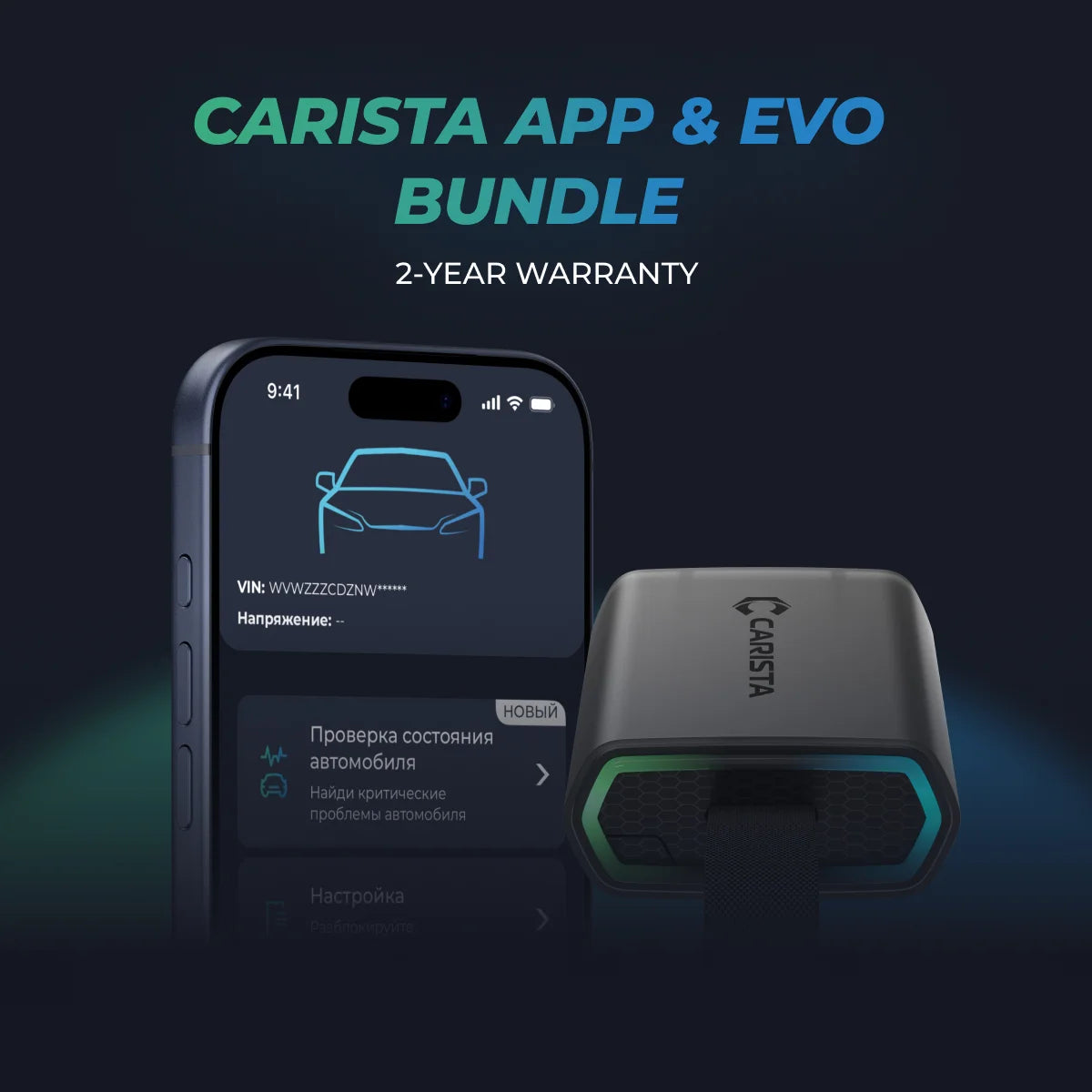
Using Carista:
- Plug the device into your OBD2 port (usually below the steering wheel).
- Open the Carista app on your smartphone and tap on the ''Diagnose'' menu
- Scan for error codes related to the steering system.
- Look for codes like C1231 (EPS fault) or C1096 (steering angle sensor issue).
- Use the codes to determine whether it’s an issue you can resolve yourself or if you need a professional.
FAQs About Power Steering Warning Lights
Q1: Can I drive with the power steering warning light on?
A: Technically, yes — but it’s not recommended. Compromised steering poses a safety risk.
Q2: How much does it cost to fix power steering issues?
A: It depends on the problem. Fluid top-ups cost a few dollars. Replacing a steering rack or EPS module can cost anywhere from $500–$2,000+.
Q3: Is power steering fluid the same for all cars?
A: No. Always use the fluid type specified in your owner’s manual.
Q4: Can a weak battery cause the EPS warning light to come on?
A: Yes. Electric power steering relies on proper voltage. A weak or dying battery can trigger the warning light.
Conclusion: Don’t Ignore the Signs
Your power steering system plays a crucial role in both comfort and safety. If you see the power steering warning light, treat it as a heads-up that your vehicle needs attention.
You can check your fluid quickly. You can also use a DIY OBD2 scanner like Carista. If you prefer, you can visit a mechanic. Acting quickly can help you avoid bigger and more expensive problems later.
Disclaimer: The information provided in this article is intended for educational and informational purposes only and should not be considered as professional advice. We work hard to give you accurate and current information about OBD2 tools, diagnostics, and car issues.
However, details can differ for each vehicle.
**Always consult your vehicle’s manufacturer guidelines and consider seeking professional assistance when dealing with complex or critical diagnostic issues.