Modern cars are packed with features that help drivers keep track of their vehicle's health, and one of the most critical alerts is the oil pressure light. When this warning light illuminates on your dashboard, it’s signaling something important about your car's oil system.
Knowing what this light means, the possible causes for it turning on, and how to address it can save you time, money, and the risk of severe engine damage. Additionally, tools like the Carista OBD2 scanner and diagnostic app can make troubleshooting easier than ever.

What Is the Oil Pressure Light?
The oil pressure light on your dashboard is a warning indicator that alerts you when there’s an issue with the oil pressure in your engine. Engine oil plays a crucial role in keeping your car’s components lubricated, cool, and functioning smoothly. If oil pressure falls below a certain level, friction increases within the engine, which can cause overheating, excessive wear, or even catastrophic engine failure.
When you see the oil pressure light, it's usually red or orange and looks like an oil can symbol. A quick response to this light can help prevent major mechanical problems.
Possible Reasons for the Oil Pressure Light Turning On
There are several reasons why the oil pressure light might turn on, including:
-
Low Oil Level
-
- Insufficient oil in the engine can reduce pressure. This is often caused by leaks, burning oil, or an overdue oil change.
-
Oil Pump Failure
-
- The oil pump is responsible for circulating oil throughout the engine. If it fails, the oil can’t move effectively, which triggers the low-pressure warning.
-
Oil Pressure Sensor Malfunction
-
- Sometimes, the oil pressure sensor itself can fail, sending a false signal to the dashboard. A faulty sensor might need a replacement to get accurate readings.
-
Clogged Oil Filter
-
- Oil filters remove impurities from the oil before it circulates through the engine. If a filter is clogged, it can reduce oil flow and create pressure issues.
-
Engine Overheating
-
- Overheating can thin the oil, lowering its effectiveness and reducing pressure. High engine temperatures can be due to various reasons, such as coolant issues.
-
Wrong Type of Oil
-
- Using the wrong viscosity oil (too thick or too thin) can also cause pressure issues. Always follow the manufacturer’s recommendations for oil type and grade.
How to Fix Oil Pressure Warning Light Issues
Once the oil pressure light illuminates, it’s essential to address it as soon as possible. Here’s a step-by-step guide to what you can do:
-
Check the Oil Level
-
- The first thing to check is the oil level. Pull over, let the engine cool, and use the dipstick to assess the oil level. If it’s low, add the recommended oil type. If the light turns off, the issue may be resolved.
-
Inspect for Leaks
-
- Look under the vehicle and around the engine for oil leaks. Leaks need to be addressed to maintain the oil level and avoid further problems.
-
Check Oil Condition
-
- If your oil appears dirty or gritty, it may need to be changed. Dark, sludgy oil reduces efficiency and can lower oil pressure.
-
Replace the Oil Filter
-
- If the oil filter is clogged, replacing it can help improve oil flow and restore proper pressure.
-
Consult a Mechanic
-
- If you can’t pinpoint the cause or the light remains on, consult a professional mechanic to inspect your engine’s oil system.
Using a diagnostic tool like Carista can save time and provide insights, helping to determine if the issue is something you can address yourself or if professional service is required.
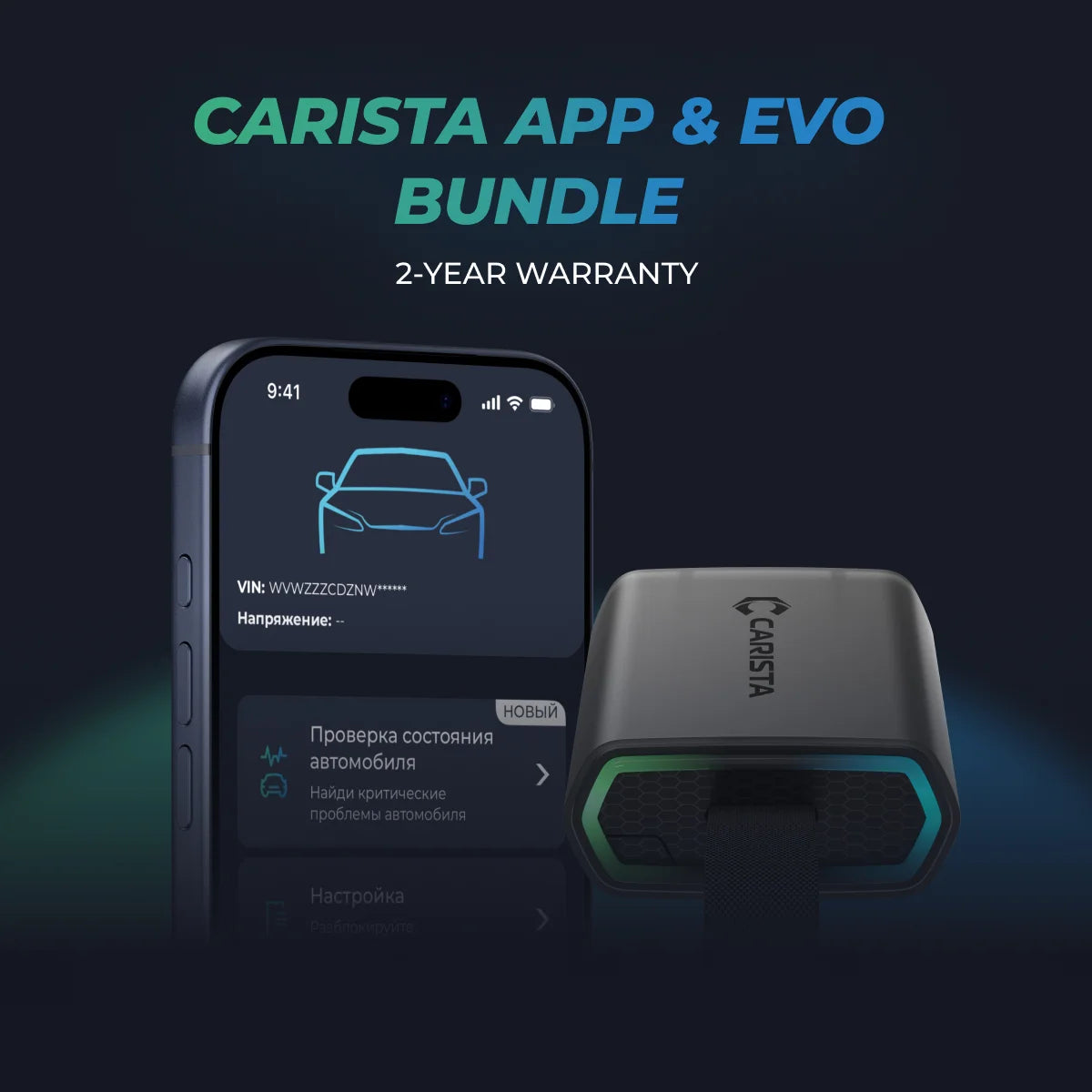
Unlock More with the Carista Bundle
£74.99
- EVO OBD2 Scanner & 12-month PRO access included
- Our best scanner yet
- Trusted by 3M+ Drivers Worldwide
- VW Group's Official Partner
- 200+ Hidden Features
- FREE Shipping & 2 Year Warranty
Everything you need in a single order.
How the Carista OBD2 Scanner and Diagnostic App Can Help
The Carista OBD2 scanner and diagnostic app is a versatile tool designed for drivers who want better insights into their vehicle’s health. Here’s how it can assist with an oil pressure light:
- Identify Oil Pressure Sensor Issues
The Carista OBD2 scanner can read error codes, including those related to oil pressure sensors. If the sensor is faulty, the Carista app will provide an error code and guidance on addressing the issue.
1. P0520 – Engine Oil Pressure Sensor/Switch Circuit Malfunction
- Description: This code indicates a malfunction in the engine oil pressure sensor or circuit. It generally means that the sensor isn’t sending the correct signals to the engine control module (ECM), which could lead to an inaccurate oil pressure reading.
- Common Causes: Faulty oil pressure sensor, damaged wiring or connectors, or a failing ECM.
- Solution: Inspect and, if necessary, replace the oil pressure sensor and check wiring connections.
2. P0521 – Engine Oil Pressure Sensor/Switch Range/Performance
- Description: This code is triggered when the engine oil pressure sensor doesn’t provide an expected reading based on engine speed and temperature.
- Common Causes: A faulty oil pressure sensor, incorrect oil viscosity, or a problem with the engine's oil pump.
- Solution: Check oil level and viscosity, inspect the sensor, and test the oil pump performance.
3. P0522 – Engine Oil Pressure Sensor/Switch Circuit Low Voltage
- Description: This code appears when the ECM detects a low voltage signal from the oil pressure sensor, which could mean the sensor isn’t working correctly or the oil pressure is genuinely low.
- Common Causes: A faulty oil pressure sensor, damaged wiring, or low oil levels.
- Solution: Check the oil level, inspect the sensor and wiring, and test for any damaged connections.
4. P0523 – Engine Oil Pressure Sensor/Switch Circuit High Voltage
- Description: This code occurs when the ECM detects a higher-than-expected voltage from the oil pressure sensor. It could mean that the sensor is sending an inaccurate signal or there’s an oil pressure issue.
- Common Causes: A faulty sensor, incorrect wiring, or the sensor grounding improperly.
- Solution: Inspect and replace the oil pressure sensor if necessary, check all wiring, and ensure proper grounding.
5. P0524 – Engine Oil Pressure Too Low
-
-
- Description: This code is triggered when the oil pressure drops below a level that is safe for engine operation. It’s a serious code as low oil pressure can cause significant engine damage.
- Common Causes: Low oil levels, clogged oil passages, a failing oil pump, or excessive engine wear.
- Solution: Check oil levels, inspect for leaks, check the oil pump, and have a mechanic examine the engine if the code persists.
-
-
Real-Time Engine Data
- Carista offers real-time monitoring of engine data, which includes oil pressure. By keeping an eye on live readings, you can assess if the issue is a temporary dip in pressure or a more serious problem.
-
Easy Error Code Interpretation
- If there are error codes related to the oil system, Carista can decode these for you. Each error code comes with an explanation and troubleshooting options, allowing you to make informed repair decisions.
-
Maintenance Reminders
- Carista’s app allows you to set reminders for routine maintenance, including oil changes, to help prevent pressure issues from arising in the first place.
Pro Tip: With the Carista OBD2 scanner and diagnostic app, you gain valuable insights into your vehicle’s condition, making it easier to take action before minor issues turn into costly repairs.

Frequently Asked Questions
Q: Is it safe to drive with the oil pressure light on?
A: No, it’s not advisable to drive with the oil pressure light on. Driving without adequate oil pressure can lead to severe engine damage. Always stop and investigate as soon as possible.
Q: Can the oil pressure light come on even if there’s enough oil?
A: Yes, the light can be triggered by other issues, such as a failing oil pump or a faulty oil pressure sensor, even if there’s enough oil in the engine.
Q: How often should I check my car’s oil level?
A: It’s good practice to check your oil level every month or before long trips, especially if your vehicle is older or prone to oil consumption.
Q: Does an oil change reset the oil pressure light?
A: Sometimes, yes. If the light was triggered by dirty or low oil, an oil change can resolve the issue. However, if it remains on, further diagnostics might be required.
Q: How can I tell if the oil pressure sensor is faulty?
A: A scanner like Carista can help by detecting error codes associated with the oil pressure sensor. If you’re unsure, consult a mechanic for further diagnostics.
Disclaimer: The information provided in this article is intended for educational and informational purposes only and should not be considered as professional advice. While we strive to provide accurate and up-to-date content regarding OBD2 tools, diagnostics, and related automotive issues, the specifics of each vehicle may vary.
**Always consult your vehicle’s manufacturer guidelines and consider seeking professional assistance when dealing with complex or critical diagnostic issues.