There’s nothing more frustrating than turning the key in your car’s ignition and hearing nothing but a click. A dead battery can happen to anyone, but knowing how to jump start a car can save you time, money, and stress. This guide will walk you through the steps of jump-starting a car, outline necessary safety precautions, list the tools you’ll need, and provide tips on maintaining your car battery using the Carista OBD reader.
*Important disclaimer: We do recommend checking your car`s manual before attempting a jump start for the first time. Make sure you have the proper tools and a trustworthy person to execute such a procedure.
Tools and Materials You’ll Need to Jump start a car
Before you begin, make sure you have the following items:
- Jumper Cables: These are essential for transferring power from the donor car’s battery to the dead battery.
- Another Vehicle with a Functional Battery: This will provide the necessary charge.
- Safety Gear: Gloves and safety glasses can protect you from any accidental sparks or battery acid.
- A Working Knowledge of Your Car’s Battery: Familiarize yourself with the location and the positive (+) and negative (-) terminals.
Step-by-Step Guide to Jump-Starting a Car
Step 1: Position the Vehicles
- Park the vehicles close enough so the jumper cables can reach both batteries, but ensure they do not touch.
- Turn off both vehicles and remove the keys from the ignitions.
- Engage the parking brakes on both cars to prevent any movement.
Step 2: Connect the Jumper Cables
- Attach one red clamp to the positive (+) terminal of the dead battery.
- Connect the other red clamp to the positive (+) terminal of the donor battery.
- Attach one black clamp to the negative (-) terminal of the donor battery.
- Connect the remaining black clamp to an unpainted metal surface** on the car with the dead battery. This could be a bolt or a bracket away from the battery to ensure a solid ground.
Step 3: Start the Donor Vehicle
- Start the engine of the donor car and let it run for a few minutes. This will allow the dead battery to charge slightly.
Step 4: Start the Dead Vehicle
- Attempt to start the vehicle with the dead battery. If it doesn’t start, wait a few more minutes and try again.
- Once the dead vehicle starts, let both vehicles run for several minutes to build up the charge in the dead battery.
Step 5: Disconnect the Jumper Cables
-
Remove the cables in the reverse order of how you connected them:
- Remove the black clamp from the grounded metal surface.
- Remove the black clamp from the negative terminal of the donor battery.
- Remove the red clamp from the positive terminal of the donor battery.
- Remove the red clamp from the positive terminal of the previously dead battery.
Step 6: Keep the Engine Running
-
- Keep the engine running on the revived vehicle for at least 15-20 minutes or drive it around to allow the alternator to charge the battery fully.
Maintaining Your Car Battery with Carista OBD Reader
Batteries do not last forever, and generally speaking, each one needs to be replaced every three years. If your battery is dead and needs to be renewed, you can easily register it with your car’s electronics using the Carista Battery Registration tool. Here's how:
- Open the Carista app and tap on the Service menu.
- Select the Battery Registration option.
For more information, check the Carista Supported Cars.
Monitoring Battery Health
If a battery warning light shows up on the dashboard after a successful jump-start, there could be an issue with the alternator. The Carista OBD reader can help you monitor the live data parameters related to the health of your battery, including the alternator's load, battery voltage from several ECUs, and other useful information. This regular monitoring can help you avoid potential failures.
For detailed guidance on monitoring battery performance, visit the Carista Live Data.
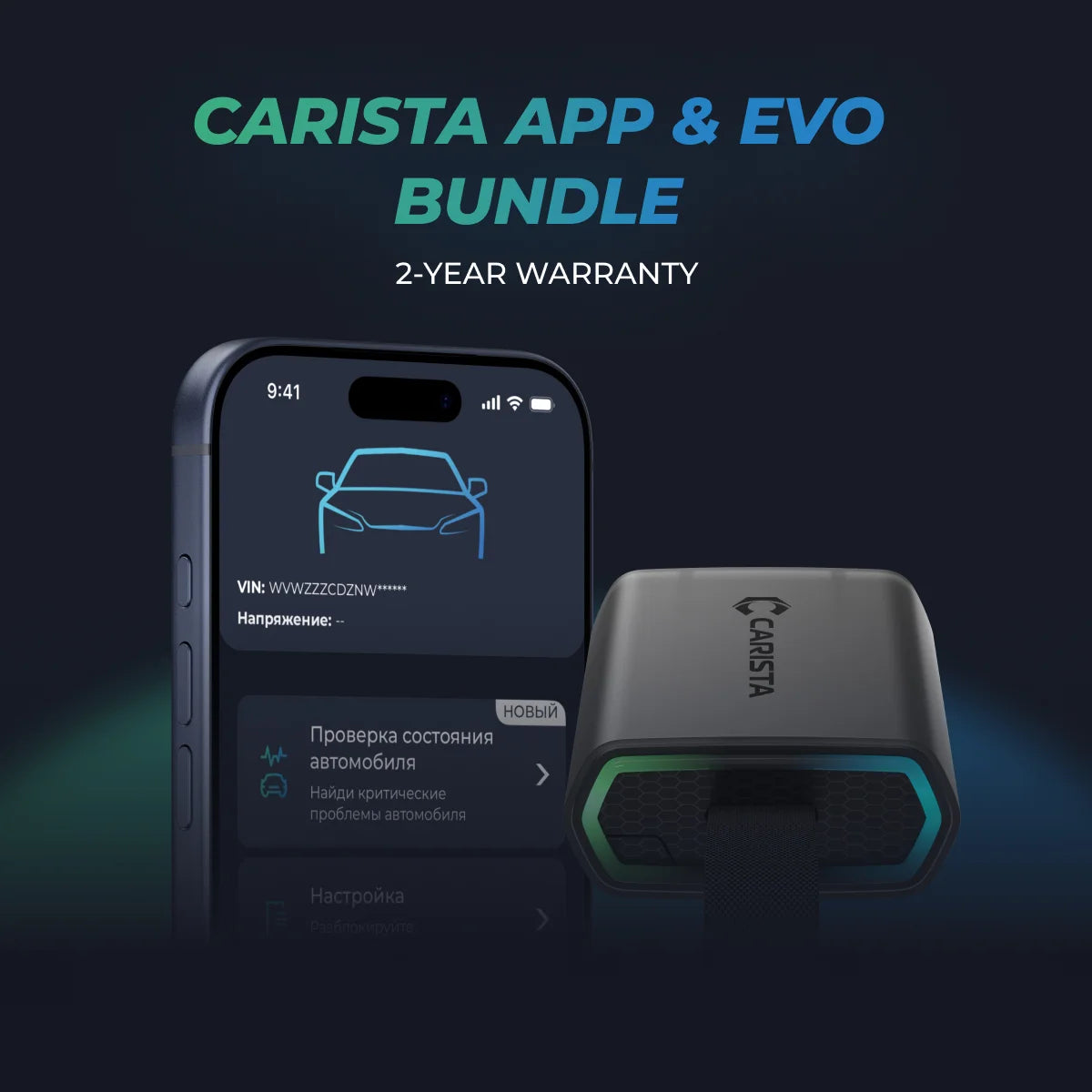
Unlock More with the Carista Bundle
£69.99
- EVO OBD2 Scanner & 12-month PRO access included
- Our best scanner yet
- Trusted by 3M+ Drivers Worldwide
- VW Group's Official Partner
- 200+ Hidden Features
- FREE Shipping & 2 Year Warranty
Everything you need in a single order.
Diagnosing Electrical Issues
Other common reasons for a no-start might include electrical issues that require detailed professional diagnostics. The Carista Diagnostics feature can help review issues, such as problems with glow plugs in diesel engines or frozen fuel due to cold weather.
Conclusion
Jump starting a car is a valuable skill that can get you out of a tricky situation. By following these steps and safety precautions, you can safely and effectively bring a dead battery back to life. Additionally, maintaining your battery with tools like the Carista OBD reader ensures your battery's longevity and reliability. Always remember to keep a set of jumper cables in your car and familiarize yourself with the process before you need to use it. Safe travels!