





Buying a used car can be a smart financial decision, but it comes with its own set of challenges. Every year, over 40 million used cars are sold in the U.S. The market is large, but not all cars are the same.
It can be a great way to save money, but it also comes with risks. Hidden accidents, flood damage, and mechanical issues can turn a seemingly good deal into a costly mistake.
Whether you're buying from a car dealer or a private seller, knowing what to look for can help you avoid expensive surprises.
Before you buy a car, make sure to inspect it. Review its vehicle history report. Check for safety recalls. Finally, take it for a test drive.
If you're planning to buy a used car online, taking extra precautions is even more important. In this guide, we will show you the important steps to make sure your next used car is reliable. We will also help you check if it has a warranty.
Statistics: In the U.K., about 20% of used cars sold privately have unpaid loans. Also, 1 in 3 vehicles has a hidden history, like past accidents or incorrect mileage. In the U.S., about 450,000 vehicles are sold each year with odometer fraud. Also, nearly 40% of used vehicles have been in an accident.

Key Factors to Consider When Buying a Used Car
Determine Your Needs and Budget
Before you start looking, consider:
- What type of vehicle suits your needs (commuting, family, off-roading, etc.)?
- Your budget, including taxes, insurance, and potential repairs.
- Fuel efficiency, reliability, and price of the car in the current market.
Check Reliability and Market Value
Some models are known for their durability, while others have frequent mechanical issues. Research:
- Reliability ratings from sources like the National Highway Traffic Safety Administration and Consumer Reports.
- Common problems reported by owners.
- The fair market value using Kelley Blue Book, Edmunds, and NADA Guides.

Inspect the Interior
On inspection day, bring a friend along for a second opinion. Start by examining the boot and testing the electronics. Ensure the A/C is functioning and evaluate the condition of the seats and fabric.
If the interior appears excessively worn, it could indicate high mileage despite claims to the contrary. Inconsistencies between the mileage and interior wear might point to tampering. Keep in mind that repairing upholstery can be costly.
Conduct an Exterior Inspection
Take your time inspecting the car’s exterior. Examine each body panel for signs of repainting or replacement, which might indicate a prior accident. Check under the bonnet for bent panels, which could signal a front-end crash.
Inspect all four tires to ensure they match and have even tread wear. Uneven wear might mean poor alignment, which could stem from steering, suspension, or frame issues. Remember to test drive the car to verify alignment—a poorly aligned car will pull to one side.
Inspect the Vehicle’s History and Condition
A vehicle history report is a must when buying a used car. Services like Carfax or AutoCheck can reveal accidents, title issues, and odometer discrepancies. You can check for safety recalls on the National Highway Traffic Safety Administration (NHTSA) website in the US. Just enter your Vehicle Identification Number (VIN).
Inspect the car for signs of wear and tear, such as rust, frame damage, or uneven tire wear. Don’t forget to check under the hood for leaks or corrosion. If the car has been in a flood, look for signs of flood damage, such as water lines or musty odors.

Use an OBD2 Scanner for Hidden Issues
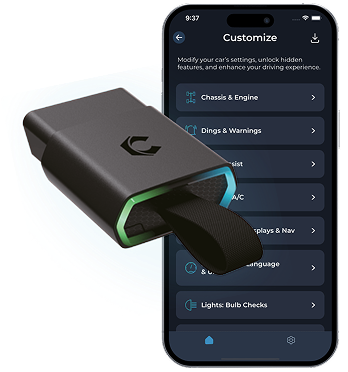
A vehicle history report can reveal past accidents and ownership records, but it doesn’t tell the whole story. To dig deeper, use a diagnostic tool like the Carista OBD2 Scanner and App.
Carista’s Key Features for Used Car Buyers
- Airbag Crash Count: Check the number of times each airbag has been activated. Accidents can affect performance. This helps make sure the seller is not hiding any crash history.
- Service Interval Info: Check when the car owner last serviced the vehicle. Also, find out when the next service is due. This ensures the owner has taken good care of the vehicle.
- Launch Control Count: If the car has launch control, this tool displays how often the driver has used it. Excessive use can strain the engine, clutch, and drivetrain, so a high number may indicate rough handling.
- Vehicle Mileage Information: The Carista app gives details about the vehicle’s mileage history. It shows past odometer readings and possible signs of tampering.

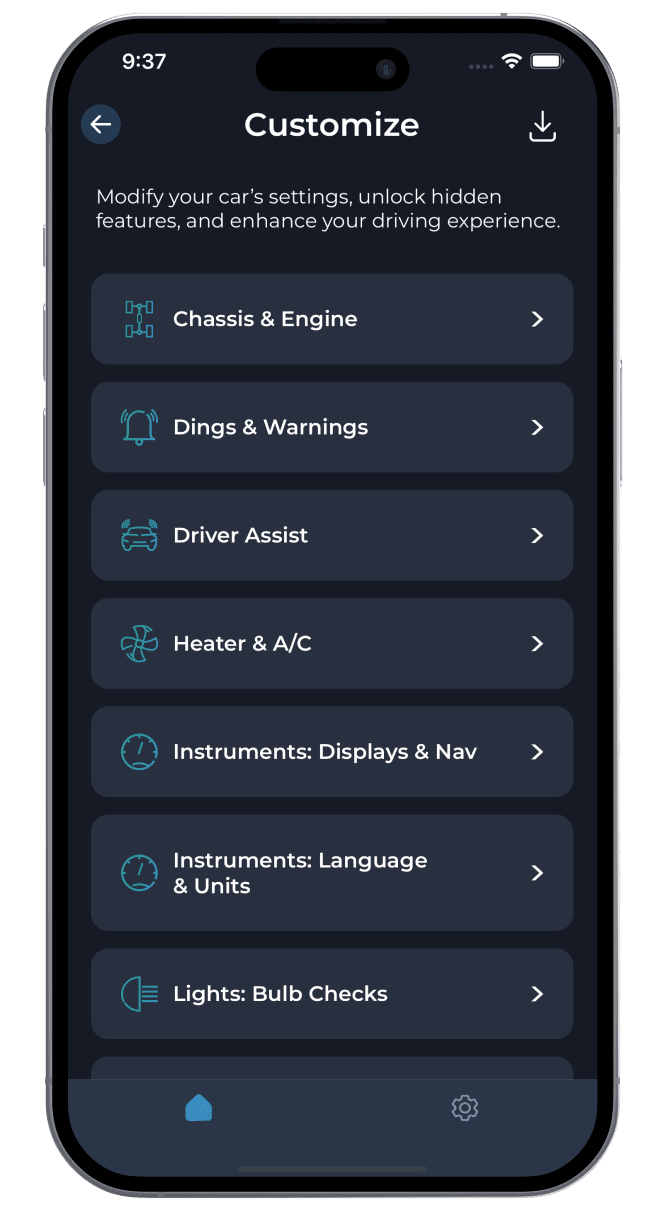
Expert advice: To use the Carista app, simply plug in the scanner, open the app, and click the "Live Data" button. The app will provide detailed insights, giving you the confidence to make the right choice. Note that Carista’s live data tools are compatible with select brands and models. Check the full list of supported vehicles on the Carista website.
Take the Car for a Test Drive
A test drive is one of the most important steps when evaluating a used car. Pay attention to:
- Steering and Braking: Ensure the car drives straight and brakes respond smoothly.
- Transmission and Acceleration: Check for hesitation or jerking when shifting gears.
- Noise and Comfort: Listen for rattling, squeaks, or knocking sounds.
Get a Professional Inspection
Even if the car looks great, a professional inspection can uncover hidden issues. A mechanic will check the engine, transmission, brakes, and other critical components. Use any findings to negotiate a better price of the car or walk away if the issues are too significant.
If you are buying from a private seller, make sure to have a professional inspect the car before you buy it.
Frequently Asked Questions (FAQs) on Buying a Used Car
1. What is a Vehicle History Report, and why is it important?
A vehicle history report provides a detailed account of the car’s past, including any accidents, ownership changes, and maintenance history. It's essential for uncovering hidden issues like flood damage, safety recalls, or title problems, which could affect the car's value or safety.
2. How do I know if a car is safe to buy?
Start by checking for any safety recalls using the Vehicle Identification Number (VIN), and request a vehicle history report. It’s also important to inspect the car’s condition, ask for maintenance records, and ensure it’s been regularly serviced. A test drive and mechanic inspection also help assess its safety.
3. What are some signs of flood damage in a used car?
Signs of flood damage include a musty odor inside the car, rust on the undercarriage, damp carpets, or water stains in the interior. It’s essential to check the car’s vehicle history report to confirm if it’s ever been reported as a flood car.
4. What does it mean if a car is covered by a warranty?
A car covered by a warranty means the seller or manufacturer will pay for some repairs and services for a set time. If you’re buying from a car dealer, confirm the details of any remaining warranty coverage.
Final Thoughts
By following this checklist and using the right tools, such as Carista’s OBD2 scanner, you can conduct a thorough vehicle check and feel confident in your purchase. Take the time to perform a car history check through dvla insurance companies or government platforms to verify details like the MoT test and number plate information. Armed with these steps, you’re well on your way to finding a reliable second-hand car that suits your needs.
Disclaimer: The information provided in this article is intended for educational and informational purposes only and should not be considered as professional advice. We work hard to give you accurate and current information about OBD2 tools, diagnostics, and car issues.
However, details can differ for each vehicle.
**Always consult your vehicle’s manufacturer guidelines and consider seeking professional assistance when dealing with complex or critical diagnostic issues.